
A Beginner’s Guide to Home Brewing: Essential Equipment and Ingredients
A beginner's guide to homebrewing, using basic equipment, and ingredients.
HOME BREWING
3/1/20268 min read
Introduction to Home Brewing
Home brewing has gained significant traction in recent years, evolving from a niche hobby into a widespread phenomenon embraced by enthusiasts worldwide. With its roots extending back thousands of years, the practice of brewing beer, cider, and other fermented beverages at home is as rich as the flavors it produces. Historically, brewing was a communal activity, embedded within cultures where families and communities gathered to share both the processes and the fruits of their labor. This age-old craft is not only about the final product; it reflects a blend of tradition, personal technique, and innovation.
The appeal of home brewing lies in numerous benefits that resonate with a range of individuals. For many, it serves as an outlet for creativity, allowing brewers to experiment with various grains, hops, and yeasts to craft unique combinations that cater to their own tastes. This personalization transforms brewing into a fulfilling art form, where each batch can yield something entirely different. Moreover, home brewing can also lead to considerable cost savings compared to regularly purchasing commercially produced beverages. As individuals explore this method of beverage creation, they often find that the process is not only economical but can also be surprisingly rewarding.
This guide aims to offer a comprehensive overview of the essential equipment and ingredients needed to embark on a successful home brewing journey. Throughout these pages, readers will learn about the various tools required, the basic ingredients that form the foundation of brewing, and best practices that can lead to fulfilling brewing experiences. Whether you are a complete novice or someone looking to refine your skills, this guide strives to equip you with the knowledge needed to explore the fascinating world of home brewing.
Understanding the Brewing Process
The brewing process is a fascinating journey that converts raw ingredients into a delicious beverage. This process consists of five primary stages: mashing, boiling, fermenting, bottling, and ultimately enjoying your creation. Each phase plays a pivotal role in ensuring the quality and flavor of the final product.
Mashing is the first step, where crushed grains, typically malted barley, are mixed with hot water in a mash tun. This process activates enzymes that convert starches into sugars, creating a sweet liquid known as wort. The temperature and duration of mashing are crucial; optimal conditions yield the best sugars needed for fermentation.
Following mashing, the wort undergoes boiling, where it is brought to a vigorous boil. During this phase, hops are added for flavor and bitterness. The boiling process also serves to sterilize the wort, eliminating unwanted bacteria and ensuring that only the desired yeasts will ferment the brew.
The fermentation stage is arguably the most critical. Once the wort has cooled, yeast is introduced. This microorganism consumes the sugars from the wort, producing alcohol and carbon dioxide as byproducts. Depending on the yeast type and fermentation conditions, this stage can last from several days to weeks. The fermentation process significantly influences the beer's flavor profile and aroma.
After fermentation is complete, it is time for bottling. This involves transferring the beer into bottles or kegs, often with a small amount of sugar added to promote carbonation. It is essential to ensure cleanliness during bottling to avoid contamination, which could spoil the beer.
Finally, the last phase of the brewing process is enjoying your handcrafted brew. Patience is vital, as proper carbonation and conditioning can take additional time. Each step in the brewing process contributes to the unique character and quality of the beer, showcasing both the art and science behind this cherished hobby.
Essential Equipment for Beginners
Home brewing is an exciting and fulfilling activity that allows individuals to create their own unique beverages. For those new to the craft, having the right equipment is vital to ensure a successful brewing experience. Below, we outline the essential equipment needed for beginners along with their specific purposes.
The first item on the list is a fermentation vessel, commonly referred to as a fermenter. This container, usually made of glass or food-grade plastic, is essential for holding the wort (unfermented beer) as it transforms into beer through the fermentation process. Many brewers opt for a carboy or a bucket-style fermenter due to their ease of use and effectiveness.
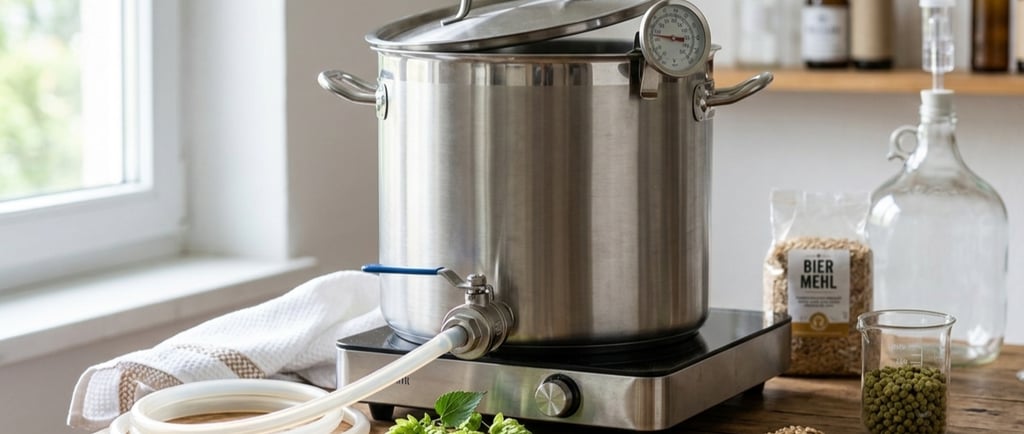
Next is the brewing kettle, which is used to boil the wort. A kettle made from stainless steel is preferred because it is durable, easy to clean, and does not interact with ingredients. A minimum capacity of 5 gallons is advisable to accommodate boiling and prevent overflow.
It is equally important to have a set of basic brewing utensils, including a thermometer, hydrometer, and stirring spoon. The thermometer measures the temperature during brewing, while the hydrometer is crucial for gauging the specific gravity of the wort, which helps in calculating alcohol content. A long, sturdy spoon is necessary for stirring the ingredients during the brewing process.
Sanitizing supplies are also critical. Proper sanitation is key in brewing to prevent contamination. Common sanitizing options include Star San or Iodophor, which are effective and easy to use. It is recommended to sanitize all equipment before and after each brew to ensure the best quality and flavor of the finished product.
Lastly, aspiring brewers should consider investing in a good bottle filler or a kegging system to package the beer after fermentation. For budget-conscious beginners, local homebrew stores, online retailers, or second-hand marketplaces can offer cost-effective options for sourcing these essential tools.
Understanding Key Ingredients: Malt, Hops, and Yeast
Home brewing is both an art and a science, and at its core lie three essential ingredients: malt, hops, and yeast. Each of these components plays a crucial role in the brewing process, influencing the flavor, aroma, and overall character of the final product.
Malt is often termed the backbone of beer. It is primarily made from barley that has been germinated and dried through a process called kilning. The malt imparts sweetness and body to the brew, contributing to the overall mouthfeel. Different types of malt can create various flavors, ranging from the rich, chocolate-like tones of roasted malts to the light, biscuit-like notes of pale malts. Beginners have the option to explore extract malts, which offer a simplified approach by providing concentrated malt syrup or powder, ideal for those just starting.
Hops are another fundamental ingredient in brewing, responsible for the bitterness and aroma that balances the sweetness of malt. Hops contain essential oils that provide various floral, citrus, and fruity notes. The selection of hops can significantly alter the beer's flavor profile. While many beginners may stick to traditional hop varieties, experimenting with newer, more aromatic hops can result in unique flavor combinations. Hops also play a key role in preserving beer, thanks to their natural antibacterial properties.
Lastly, yeast is the microorganism responsible for fermentation, converting sugars from malt into alcohol and carbon dioxide. The choice of yeast can greatly influence the beer’s final taste and aroma profile. For those new to home brewing, utilizing packaged yeast strains is often recommended. However, for the more adventurous, exploring wild or specialty yeasts may add an exciting complexity to the brew.
The quality of these ingredients directly impacts the final product. Using fresh, high-quality malt, hops, and yeast ensures that the flavors are vibrant and pronounced, ultimately leading to a more enjoyable home-brewed beer.
Choosing Your Recipe: Beginner-Friendly Options
When embarking on your home brewing journey, selecting the right recipe can greatly enhance your experience. For beginners, there are several popular styles that are approachable and yield rewarding results. Simple ales and stouts are among the favorite choices for novices due to their straightforward brewing processes and the availability of ingredients. Ales, for example, typically ferment at warmer temperatures, making them less demanding in terms of temperature control and equipment.
One of the foundational steps to choosing a recipe is aligning it with your personal taste preferences. If you enjoy lighter beers, consider starting with a pale ale or wheat beer. On the other hand, if you prefer richer flavors, a stout or porter may be more to your liking. Additionally, evaluate the ingredients you have readily available. Many beginner recipes utilize a minimal number of grains and hops, which can streamline your brewing process while still producing a delicious beverage.
Another important factor is the level of patience you possess; some recipes yield quicker results than others. For instance, a simple ale may be ready to drink in as little as two weeks, whereas a lager often requires more time and temperature control to produce optimal flavor. This consideration can help you select a recipe that fits your timeline and eagerness to brew. There are ample resources available online, where various communities offer a plethora of recipes catering to different tastes and skill levels. Websites dedicated to home brewing often include user reviews and tips, helping you make an informed decision.
In summary, the process of selecting a beginner-friendly recipe involves considering your taste preferences, accessible ingredients, and the time you are willing to invest. Leveraging supported brewing communities can further enrich your selection process and improve your home brewing experience.
Safety and Sanitation in Brewing
Home brewing is a rewarding hobby that combines art and science, yet it comes with significant responsibilities, particularly concerning safety and sanitation. Understanding and implementing proper safety practices is crucial to ensure not only the quality of the finished product but also the brewer’s health and safety. Contamination during brewing can lead to undesirable flavors or even health risks, making sanitation a top priority.
The first step in maintaining sanitation is ensuring that all brewing equipment is thoroughly cleaned and sanitized. This includes fermenters, bottles, and any utensils used in the brewing process. A common practice is to use a sanitizing solution, which may involve household bleach or specialty brewery sanitizers, ensuring to follow the manufacturer's instructions for adequate dilution and contact time. Given the nature of fermentation, where yeast and bacteria interact, any leftover residue can result in off-flavors or spoilage.
Additionally, one should ensure that the brewing environment is clean and free from contaminants. Regularly wiping down surfaces with sanitizing wipes or sprays can prevent cross-contamination. When handling ingredients, especially those that will be combined with yeast, it is important to use clean hands or gloves. This simple practice reduces the likelihood of introducing unwanted microorganisms into the brew.
In terms of safety, beginners should be cautious when working with boiling liquids and hot equipment. Burns from hot wort or steam can be a significant hazard during the brewing process. Always ensure that hot equipment is handled with appropriate protective gear, such as oven mitts, and remain vigilant in preventing spills or accidents.
In conclusion, emphasizing safety and sanitation in home brewing elevates the brewing experience and leads to successful and enjoyable results. By adopting these practices, beginners can approach their brewing endeavors with greater confidence and assurance of a quality product.
Getting Started with Your First Brew
Once you have gathered all the necessary equipment and ingredients for home brewing, the next step involves transitioning from planning to action. A systematic approach is key to ensuring a successful initial brewing experience. Begin by sanitizing all your equipment; sanitation is crucial for preventing contamination. Use a reliable sanitizer to clean fermenters, bottles, and other surfaces that will come in contact with your brew.
Next, it is time to follow the recipe you have chosen. Start by boiling water, then gradually add the malt extract and hops according to your recipe. Maintaining the right temperatures and timing is essential for developing the desired flavors. Remember to monitor the boiling process closely, allowing it to neither boil over nor under. While boiling, this is also a good opportunity to prepare your fermentation vessel by ensuring it is also sanitized and ready for the cooled wort.
After boiling, quickly cool the wort to a temperature suitable for yeast addition. The typical method is to use an immersion chiller or an ice bath. Once cooled, transfer the wort into your fermentation vessel, adding the yeast according to the instructions. Seal the vessel and, if applicable, attach an airlock. This setup will allow carbon dioxide to escape while preventing outside contaminants from entering your brew.
As your brew ferments, it’s vital to maintain a consistent temperature and check for any signs of fermentation activity. After a week or two, the fermentation process should be almost complete. Bottling your brew is the next significant step. Ensure all bottles are clean and properly sanitized before transferring the beer. Finally, let the bottles condition for another couple of weeks, which will allow carbonation to develop.
For further learning, consider reading books on home brewing, watching online tutorials, or joining a local brewing club to network with experienced home brewers. Engaging with others in this hobby can provide invaluable insights and reduce common pitfalls encountered by beginners. Enjoy the process, and remember that practice makes perfect!