Making Cabernet Sauvignon at Home: A Simple Recipe with Grape Juice
Basic steps and ingredients for making Cabernet Sauvignon at home.
HOME WINE MAKING RECIPES
3/1/20263 min read
Introduction to Home Winemaking
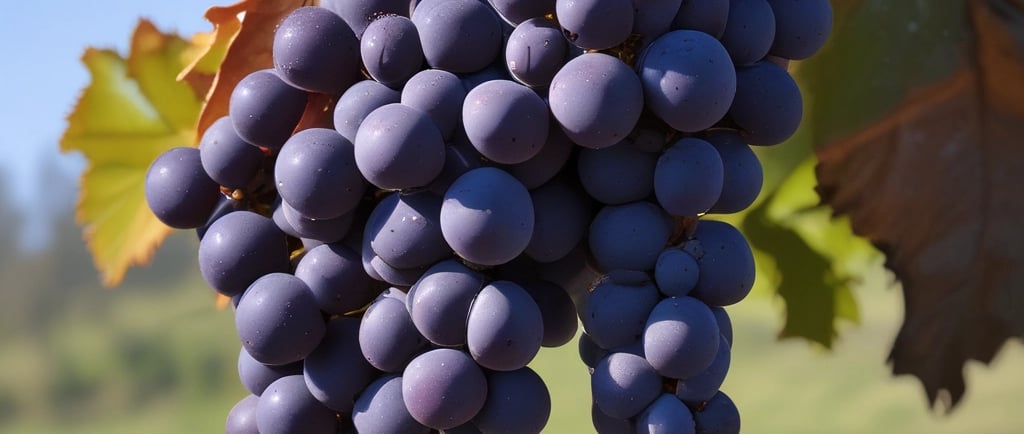
Have you ever wanted to try your hand at winemaking? Making your own Cabernet Sauvignon can be a rewarding and enjoyable experience, especially when using concentrated wine grape juice. This blog post will guide you through a straightforward recipe to create delicious red wine at home.
What You’ll Need
Before getting started, make sure you have all the necessary ingredients and equipment. Here’s what you’ll need:
Concentrated Cabernet Sauvignon grape juice (available for purchase online or at winemaking supply stores)
Water
Wine yeast (specific for red wines)
Sugar (optional, to enhance sweetness)
Sanitizing solution
Fermentation vessel (glass carboy or food-grade plastic container)
Airlock
Bottles for storage
The Steps to Make Your Cabernet Sauvignon
Now, let’s break down the steps involved in making your very own Cabernet Sauvignon using concentrated grape juice:
Sanitize Everything: Begin by thoroughly sanitizing all your equipment with a suitable sanitizing solution. This is crucial to prevent any unwanted bacteria from ruining your wine.
Mix the Grape Juice: In your fermentation vessel, pour in the concentrated Cabernet Sauvignon grape juice. Add the appropriate amount of water, typically following the instructions provided with the juice concentrate. If you'd like to increase the sweetness, you can also add sugar at this stage.
Check and Adjust pH: If you have away to check your pH you can adjust pH anywhere between 3.2 - 3.7 depending on your preference. I would recommend a pH of 3.5.
Add the Yeast: After mixing the juice and water, sprinkle the wine yeast over the surface. Don’t stir it in, just let it sit for a few minutes to activate.
Oxygenate: Option you can do with an aquarium aerator. Can aerate for a few minutes a few hours into fermentation, and then again the following day. This will help kick off your fermentation.
Seal and Store: Attach the airlock to your fermentation vessel, ensuring the seal is tight. Place the vessel in a warm, dark area to allow fermentation to take place. This process generally takes about one to two weeks.
Adding Yeast Nutrients: Add yeast nutrients such as Fermaid O, afer 1/3 depletion of fermentable sugars.
Racking off Gross Lees: Do your first racking after two weeks of fermentation.
Sulphites to stop fermentation: When fermentation is complete or if you wanted to stop fermentation before all sugars are consumers use a 60ppm addition of sulphites. This will also help protect the wine and will bind with any dissolved oxygen.
Gass-Off Wine: Stir the wine multiple times to make flat so that the wine is no longer carbonated from fermentation.
Add Clarifiers: My preferred clarifiers are Bentonite and Sparkolloid. Hydrate Bentonite for 24 hours before adding. Sparkolloid should be diluted in hot water for 20 minutes before adding. These improve the clarity of the wine and improves the wine's heat and cold stability.
First Racking After Clarifiers: Rack to leave behind sediment that has settled out of wine 1 week after adding clarifiers.
Second Racking After Clarifiers: After another week from your first racking. Perform a second racking to remove additional sediment that may have settled.
Bottling Your Wine: Once the fermentation is complete, it’s time to bottle your Cabernet Sauvignon! Carefully siphon the wine into clean bottles, leaving a bit of space at the top. Cap or cork the bottles securely.
Let It Age: For the best flavor, allow your wine to age for at least a few months. The longer it sits, the more the flavors will develop!
Conclusion: Enjoying Your Homemade Cabernet Sauvignon
After the aging process, your Cabernet Sauvignon will be ready to savor. Pour yourself a glass and enjoy the fruits of your labor. Making wine at home is not only fun but provides a fantastic sense of accomplishment. Plus, sharing your homemade Cabernet with friends can be a delightful experience!