How to Make Your First Mead at Home: A Comprehensive Guide
How to get started in making mead and some different options for Honey.
WINEMAKING
3/1/20268 min read
Understanding Mead: An Introduction to this Ancient Beverage
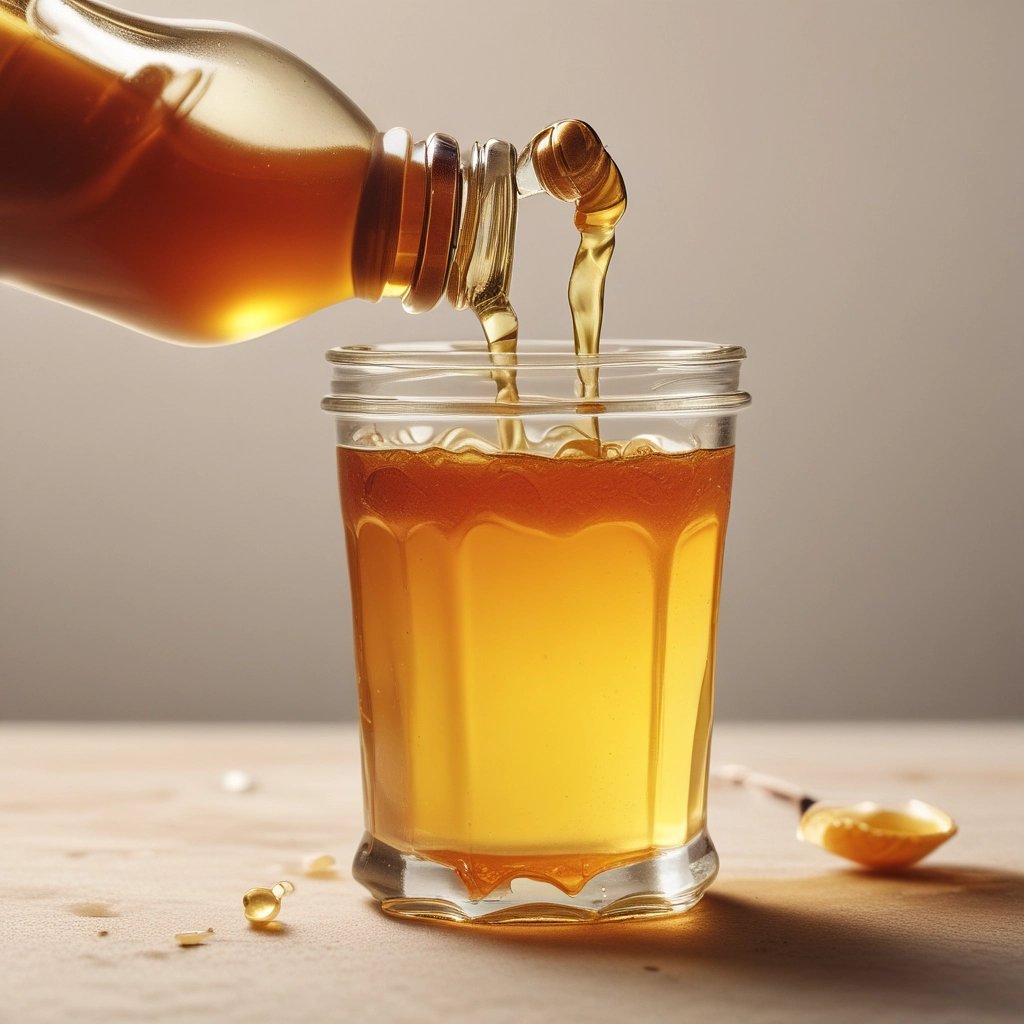
Mead, often dubbed the "nectar of the gods," is one of the oldest fermented beverages known to humanity, with a history that spans thousands of years. Its origins can be traced back to ancient civilizations, including the Greeks, Romans, and Nordic cultures, who praised its sweet flavor and intoxicating qualities. Today, mead is witnessing a resurgence in popularity within the modern brewing culture, with craft brewers experimenting with diverse ingredients and flavors, appealing to a broad audience eager for novel tastes.
Fundamentally, mead is made by fermenting honey with water, and it can be further enriched with various fruits, spices, or herbs, leading to a multitude of flavor profiles. This simple combination of ingredients differentiates mead from other alcoholic beverages, such as beer and wine, which are primarily made from grains and grapes, respectively. The base ingredients of mead—honey, water, and yeast—facilitate a unique fermentation process that results in an alcohol content typically ranging from 8% to 20% by volume.
Mead is often categorized into different styles, such as traditional mead (honey only), melomel (fruit-infused), metheglin (spiced), and cyser (apple mead), among others. Each type offers distinct characteristics influenced by the choice of honey, fermentation techniques, and any additional flavorings. These variations highlight mead's versatility and allow home brewers to customize their creations according to personal preferences and local ingredients.
Furthermore, understanding mead's complex history and diverse forms enhances the appreciation for this ancient beverage. As enthusiasts and novices alike dive into the world of mead making, they not only cultivate a beverage with storied roots but also participate in a cultural revival that celebrates craftsmanship and creativity. The growing number of meaderies and brewing clubs indicates that the journey of discovering mead is just beginning, inviting many to explore its rich tapestry of flavors and traditions.
Essential Equipment for Home Mead-Making
Embarking on the journey of home mead-making requires certain essential equipment to ensure a successful fermentation process and an enjoyable final product. Understanding the purpose and proper use of each item can help new mead makers navigate the intricacies of this rewarding craft.
First and foremost, a fermentation vessel is critical. This container, often made of glass or food-grade plastic, is used to hold the honey-water mixture during fermentation. A glass carboy or a food-safe bucket are ideal options, as they allow for easier cleaning and monitoring of the fermentation process. Selecting an opaque vessel can protect your mead from light exposure, which could negatively impact its flavor.
Next, an airlock is essential to maintain a controlled environment within the fermentation vessel. It allows carbon dioxide produced by the yeast to escape while preventing any contaminants from entering the vessel. This simple yet effective device is often placed in the stopper or cap of your fermentation vessel.
A hydrometer is another invaluable tool for mead makers. This instrument measures the specific gravity of your mead, providing insights into the fermentation process. By comparing readings taken before and after fermentation, you can determine the alcohol content of your final product. Using a hydrometer enables you to monitor the fermentation progress and make necessary adjustments to achieve the desired sweetness or dryness.
Finally, bottling supplies such as bottles, caps, and a capping device are necessary for storing your finished mead. Ensure that the bottles you use are appropriate for carbonated beverages if you plan to carbonate your mead. It is also advisable to label your bottles, noting the production date and any specific characteristics of the batch.
Incorporating these essential tools into your home mead-making process not only simplifies the procedure but also enhances the quality and enjoyment of your mead-making experience.
Key Ingredients for Your Mead: Honey, Water, and Yeast
Creating mead at home requires a few essential ingredients, primarily honey, water, and yeast. Each component plays a significant role in shaping the flavor and quality of the final product. The first and most crucial ingredient is honey, often referred to as the soul of mead. The variety of honey you choose can greatly affect the mead's taste, aroma, and complexity. Popular options include clover, wildflower, orange blossom, and buckwheat honey. Clover honey tends to yield a light, floral mead, while buckwheat honey offers a rich and robust flavor. Exploring different types of honey can lead to a unique mead tailored to your preferences.
Next, the quality of water used is paramount as it can significantly influence the brewing process and the final outcome. Ideally, distilled or filtered water is recommended to eliminate impurities that may detract from the mead's flavor. If using tap water, ensure it is free from chlorine and other additives that could hinder fermentation. The water-to-honey ratio is also an important consideration; generally, one part honey to four parts water is a good starting point for beginners, but this can be adjusted based on personal taste.
The yeast selected is the final critical ingredient. For novice mead makers, it is advisable to use specific wine or mead yeast strains, which are known for their reliability during fermentation. Common choices include Lalvin D-47 and EC-1118, both of which offer good fermentation characteristics and can handle the varying sugar levels found in honey. When selecting yeast, also consider the potential alcohol content you desire, as different strains can yield different levels of alcohol. In summary, the key ingredients of honey, water, and yeast collectively form the foundational elements of mead brewing, each contributing distinct flavors and characteristics to the final product.
Step-by-Step Guide to Brewing Your First Mead
Brewing your first mead can be a rewarding and enjoyable process. To ensure you successfully craft this honey-based beverage, follow these sequential steps carefully.
Begin by gathering your ingredients and equipment. You will need high-quality honey, water, and mead yeast. Additionally, it is recommended to have an airlock, fermentation vessel, stirring spoon, and bottles for storage. Preparing your workspace is vital; make sure it is clean and sanitized to avoid contamination.
Next, prepare the honey mixture, which is the foundation of your mead. In a clean pot, combine 1-2 pounds of honey per gallon of water, depending on the sweetness level you desire. Heat the water gently and stir in the honey until fully dissolved, ensuring that the mixture does not boil, as this can affect the flavors. After the honey has dissolved, remove the pot from heat, and allow the mixture to cool to room temperature.
Once the honey mixture has cooled, it’s time to transfer it into the fermentation vessel. Add water to reach your desired volume, usually one gallon. Sprinkle your mead yeast on top of the mixture, and seal the vessel with an airlock to allow carbon dioxide to escape while preventing contaminants from entering.
The fermentation process can take anywhere from a few weeks to several months. During this time, monitor the fermentation to ensure that everything proceeds smoothly. A bubble in the airlock indicates active fermentation; once bubbling ceases, it is a sign that fermentation may be complete.
After fermentation has finished, the next step involves racking the mead. This involves siphoning the liquid from the fermentation vessel into a clean container, leaving sediment behind. Allow the mead to age in this new vessel for several additional weeks or months to develop complexity and flavor.
Finally, when the aging process meets your taste preference, it’s time to bottle your mead. Carefully siphon it into clean bottles, leaving some headspace at the top. Seal the bottles firmly with caps or corks. Store your mead in a cool, dark place to enhance its flavors over time.
Following these steps will help you craft a delicious mead, marking the beginning of your journey in home brewing. Enjoy your homemade mead responsibly and share with friends to celebrate your brewing achievement!
Fermentation: The Heart of Mead-Making
Fermentation is the cornerstone of mead-making, transforming the simple mixture of honey, water, and yeast into the complex beverage known as mead. The fermentation process typically begins after the initial ingredients are combined, and the yeast is added to the honey-water mixture, which is known as the must. This stage is crucial as it dictates the final flavors, aroma, and alcohol content of the mead.
Monitoring fermentation activity can be achieved by observing the presence of bubbles in the airlock and taking gravity readings with a hydrometer. The fermentation timeline varies based on factors like temperature and yeast strain. Primary fermentation generally lasts between two to four weeks, during which the yeast consumes the sugars in honey and produces alcohol and carbon dioxide. A stable specific gravity reading over a few days indicates that fermentation is complete, leading to the next steps.
However, issues can arise during fermentation that homebrewers should be prepared to address. Common problems include stuck fermentation, where yeast activity halts prematurely, often caused by insufficient nutrients or low temperatures. In such cases, adding nutrient supplements or gently warming the fermenter can help revive yeast activity. Additionally, unwanted off-flavors may occur, which can typically be mitigated by maintaining hygienic practices and utilizing proper yeast management techniques.
The length of fermentation directly influences the mead's taste profile and alcohol level. Extended fermentation periods often yield drier meads with higher alcohol content, while shorter durations may retain more residual sugars, resulting in sweeter varieties. Ultimately, understanding the nuances of the fermentation stage will not only empower you to create better mead but also heighten your enjoyment of the entire mead-making process.
Exploring Different Types of Honey: Which One to Choose?
Choosing the right honey is a crucial step in the mead-making process, as it significantly impacts the flavor, aroma, and overall quality of the final product. The type of honey selected can impart distinct characteristics to the beverage, making it essential for home brewers to take this decision seriously. Various types of honey, such as wildflower, clover, and orange blossom, are widely available, each offering unique flavor profiles.
Wildflower honey is derived from the nectar of various wildflowers and is known for its complex flavor that can range from light and sweet to bold and robust, depending on the specific blooms present. This type of honey is versatile and can be used for making different styles of mead, offering an intricate taste. On the other hand, clover honey, which is made predominantly from clover blooms, tends to be lighter and more delicate in flavor, making it an excellent choice for beginners seeking a milder mead.
Orange blossom honey is another popular option, recognized for its distinct citrus aroma and flavor. This honey can impart a refreshing sweetness with hints of orange, making it ideal for fruit-forward meads. When selecting honey, it is also important to consider its sourcing. Organic honey, for example, is produced from bees that feed on flowers free from pesticides and chemicals, which can enhance the purity and overall quality of your mead.
In conclusion, the choice of honey in mead-making can greatly influence your brew's final taste and character. By understanding the different types of honey available and their sourcing, you can better select the right one that aligns with your desired mead style and flavor profile. Experimenting with various honey types is also encouraged, allowing for the creation of unique, personalized meads.
Storing and Enjoying Your Mead: Final Tips for Home Brewers
Once you have crafted your mead and allowed it to ferment, proper storage plays a crucial role in preserving its quality. Mead should be stored in a cool, dark place away from direct sunlight. A consistent temperature, ideally between 50°F and 60°F (10°C to 15°C), is optimal for maintaining its flavor integrity. For long-term storage, corking your mead in a glass bottle ensures minimal oxidation, which can affect taste. Additionally, using dark glass can shield your mead from ultraviolet light that may degrade its properties over time.
When it comes to tasting and serving your mead, consider using appropriate glassware to enhance the experience. A tulip glass is often recommended as it captures the aroma while allowing for a wide surface area for the mead to breathe. Chill your mead slightly if it is a sweet variety, while dry or herbal meads may be best enjoyed at room temperature. Pairing mead with a variety of foods can elevate its tasting experience, with options ranging from cheeses to roasted meats, depending on the flavor profile of your brew.
Aging your mead offers an exciting opportunity to develop its flavors. Many meads benefit from aging, as this process allows different elements to marry and evolve, creating a more complex taste. The aging period can range from a few months to several years, with the potential for developing richer, deeper flavors as the mead matures. Experimenting with different aging vessels, such as oak barrels or secondary fermentation with fruits and spices, can further enhance flavors and create unique characteristics in your mead.
In conclusion, proper storage, thoughtful serving, and aging techniques can significantly elevate your mead-making journey. Don’t hesitate to explore various methods and flavor combinations to discover the endless possibilities that mead brewing offers.